
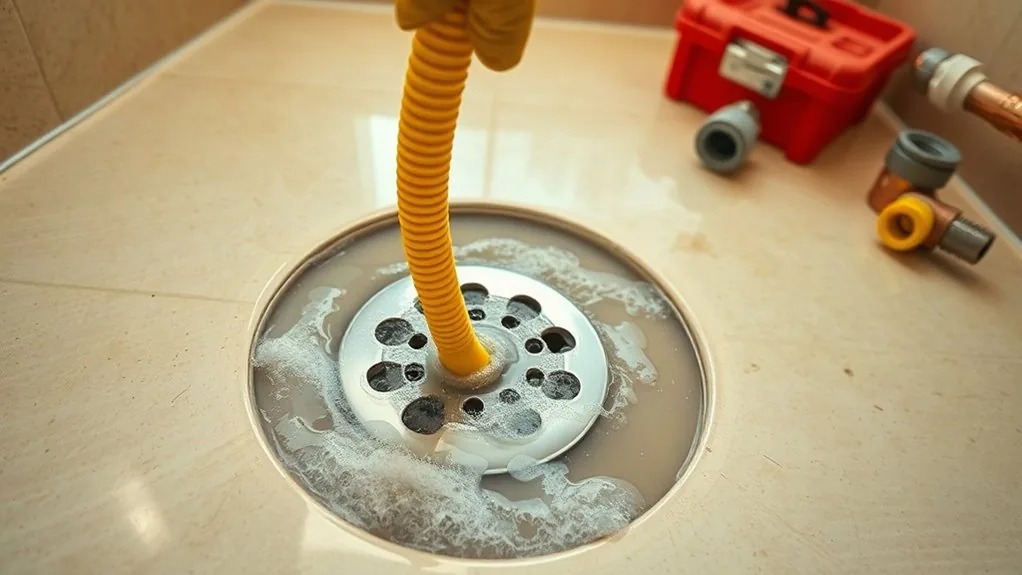
Rarely is a clogged drain only an annoyance. It often points to an underlying issue that hasn’t been adequately addressed. After using plungers, chemical cleaners, or do-it-yourself solutions to restore water flow, many homeowners encounter the same obstruction weeks later. These techniques could provide short-term respite, but they don’t always get rid of the materials or structural issues that cause persistent drainage issues. Plumbing systems may be shielded from needless harm and costly issues by being aware of the reasons behind recurrent blockages and selecting the best repair techniques.
Recurrent Drain Blockages Frequently Signify More Serious Issues
The purpose of drainage systems is to effectively transport effluent via networked pipes. However, food particles, hair, oil, soap residue, and mineral deposits progressively build up along the inside surfaces of pipes. These materials eventually reduce the amount of space available and limit the flow of water.
Without eliminating the surrounding accumulation, a temporary cleaning technique could make a tiny hole through the barrier. The water starts to flow once again, giving the appearance that the issue has been fixed. Sadly, the residual deposits keep gathering debris, which ultimately results in another obstruction.
Inappropriate drainage slopes, broken pipes, or obstacles deeper within the plumbing network may also be the cause of recurring blockages. To get long-lasting outcomes, it is crucial to identify these underlying issues.
Chemical Drain Cleaners’ Drawbacks
Chemical drain cleaners are often utilized since they provide quick fixes without the need for expert help. However, the kind and position of the obstruction determine how successful they are.
Certain organic items may be dissolved by certain chemicals, but foreign objects stuck within pipes, mineral deposits, and solidified grease are difficult to remove. Safety issues may also arise from repeated chemical applications, especially when incompatible cleaning agents are used together.
Vulnerable plumbing materials or damaged connections may be harmed by certain substances. Partially dissolved material may also contribute to another blockage by moving deeper into the drainage system.
Homeowners should look into the reasons behind the blockage’s recurrence rather than continuously using chemical remedies.
Expert Drain Inspections Uncover Secret Causes
Restoring water flow is not enough to address recurrent drainage issues. Determining whether the blockage is caused by accumulated debris, pipe corrosion, or structural flaws requires a detailed investigation.
To analyze pipe interiors and find issues that cannot be seen from accessible drain openings, Professional Drain Cleaning Houston firms may use specialized inspection cameras.
Camera inspections may identify areas of pipe where wastewater gathers due to insufficient slope, corrosion, root intrusion, and dislocated joints. Instead of depending only on conjecture, these results assist experts in suggesting appropriate cleaning or repair techniques.
When many fixtures have drainage issues at the same time, a precise diagnosis is especially crucial since the clog can be in a common drain or main sewer connection.
Advanced Techniques For Cleaning Handle Stubborn Buildup
Different cleaning methods are needed for different obstructions. Certain obstacles may be broken up or retrieved by mechanical drain augers, while more difficult items may be removed by specialist cutting attachments.
Another method for clearing grease, sludge, and accumulated deposits from pipe interiors is hydro jetting, which employs regulated streams of pressurized water. However, pipe condition, material, and structural integrity must be taken into consideration while choosing a technique.
Appropriate professional cleaning may eliminate more of the accumulated debris causing recurring obstructions, in contrast to interim treatments that just produce a limited opening.
Before selecting equipment, a skilled Professional Drain Cleaning Houston service may assess the plumbing system, lowering the possibility of needless harm.
Cleaning Is Not Enough To Fix Structural Pipe Defects
Ordinary debris collection is not the cause of every recurrent obstruction. Cracks, broken connections, corrosion, or distortion in pipes may impede the regular flow of wastewater.
Even after careful cleaning, a broken part may continue to retain waste. In a similar vein, a sagging drainpipe may provide a low spot where solid items settle, and wastewater gathers.
In these cases, further cleaning has no effect since the physical flaw doesn’t change. To restore dependable drainage, the damaged pipe segment may need to be repaired or replaced.
Understanding the distinction between a structural issue and a removable obstacle helps save recurrent expenditures on inefficient therapies.
Conclusion
Rather than being isolated annoyances, recurrent drain clogs should be considered warning indicators. Water flow may be restored by temporary cleaning techniques; however, not all underlying issues may be resolved. A more reliable approach to drainage management is provided by appropriate inspection, appropriate cleaning methods, and required pipe repairs. When blockages recur, homeowners may find underlying flaws, avoid needless damage, and preserve effective wastewater flow over time by seeking Professional Drain Cleaning Houston assistance.