Heavy Digging Made Easier With Dependable Excavators in Manassas
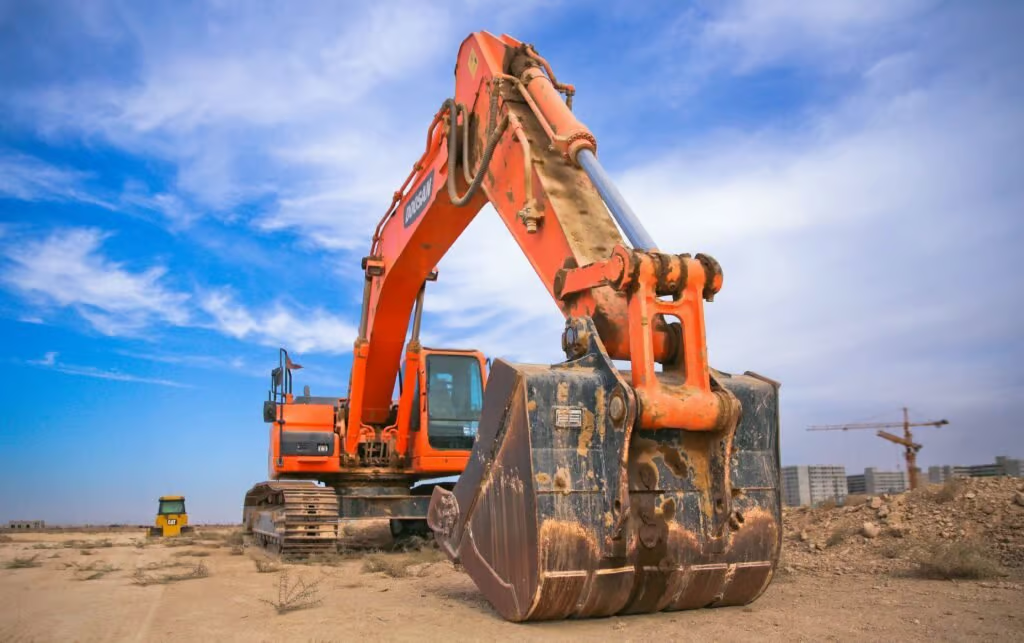
Construction projects require powerful equipment, careful planning, and reliable performance to meet demanding schedules. Whether contractors are preparing land for a new commercial building, digging foundations, or working on infrastructure improvements, excavators play an essential role in completing heavy digging tasks efficiently. Choosing dependable machinery can make a significant difference in productivity, operational costs, and overall project success. For contractors and construction businesses, Volvo excavators in Manassas offer an equipment option for handling challenging excavation work. With advanced hydraulic systems, operator-focused features, and versatile configurations, modern excavators help construction teams approach demanding projects with greater confidence. The Importance of Reliable Excavators in Construction Excavators are among the most versatile machines used across construction sites. Their primary purpose involves digging and moving earth, but their capabilities extend to trenching, grading, demolition, material handling, and site preparation. Reliable excavators allow contractors to perform these activities with greater consistency while reducing unnecessary interruptions. Equipment breakdowns can disrupt schedules, increase labor expenses, and delay other construction activities. Selecting machinery designed for demanding operating conditions helps businesses maintain steady progress throughout a project. In Manassas, where construction activities may involve residential developments, commercial properties, utility installations, and infrastructure maintenance, access to suitable excavation equipment is particularly important. Powerful Performance for Demanding Excavation Tasks Heavy digging often involves challenging soil conditions, large quantities of material, and precise excavation requirements. Modern excavators are designed to provide the digging force, hydraulic responsiveness, and stability necessary for these demanding applications. Advanced hydraulic technology allows operators to control the boom, arm, and bucket smoothly while maintaining the power required for difficult excavation work. This combination of strength and precision becomes especially valuable when working near existing structures or underground utilities. Volvo excavators in Manassas can support contractors working on projects that require dependable digging performance and efficient material movement. Choosing an appropriately sized machine helps ensure that excavation activities are completed without placing unnecessary strain on equipment. Choosing the Right Excavator for Different Jobsites Not every construction project requires the same type of excavator. Machine size, operating weight, digging depth, and available working space all influence equipment selection. Compact excavators are often suitable for residential construction, landscaping, and utility work where access is limited. Their smaller dimensions make maneuvering around buildings and confined spaces easier. Larger excavators are generally preferred for extensive earthmoving, commercial construction, and major infrastructure projects. These machines provide the reach, lifting capability, and bucket capacity needed for demanding operations. Contractors should also consider ground conditions, transportation requirements, and attachment compatibility before selecting equipment. Matching excavator capabilities to actual project demands can improve productivity while helping control operating expenses. Improving Jobsite Efficiency Through Modern Technology Construction efficiency depends on more than raw machine power. Operator comfort, equipment responsiveness, and fuel management also influence daily performance. Modern excavators often incorporate ergonomic controls, adjustable seating, improved visibility, and electronic monitoring systems. These features help operators remain comfortable and informed during extended working hours. Certain machines also offer selectable operating modes that allow contractors to balance performance and fuel consumption according to the task. When operators have access to responsive controls and clear machine information, they can perform excavation activities with greater precision. This contributes to smoother workflows, improved material handling, and more consistent jobsite productivity. Excavator Attachments Expand Construction Capabilities One major advantage of excavators is their compatibility with specialized attachments. Instead of relying on separate machines for every activity, contractors can use suitable attachments to complete multiple tasks. Standard digging buckets handle soil excavation and trenching, while grading buckets support surface leveling and finishing work. Hydraulic breakers can assist with breaking concrete or rock, and grapples may be used for handling debris and other materials. Attachment selection should account for the excavator’s hydraulic capacity, operating specifications, and manufacturer recommendations. By choosing compatible attachments, contractors can increase equipment versatility and reduce the need for additional machinery on certain projects. Maintenance and Equipment Support Keep Projects Moving Even dependable construction equipment requires regular maintenance to perform effectively. Regular inspections assist in spotting emerging issues before they result in costly repairs or unplanned downtime. Contractors should monitor hydraulic systems, engine fluids, tracks, filters, and attachment connections. Following manufacturer-recommended maintenance schedules can help preserve machine performance and extend equipment service life. Equally crucial are the availability of replacement parts and skilled service workers. Reliable equipment support allows construction businesses to address mechanical concerns promptly and minimize interruptions. For contractors considering Volvo excavators in Manassas, evaluating available maintenance services, replacement parts, and technical assistance can be just as important as selecting the machine itself. Conclusion Successful excavation work requires a combination of dependable machinery, skilled operators, and thoughtful equipment management. From preparing construction sites to installing underground utilities, excavators help contractors handle demanding tasks with greater efficiency and precision. Selecting the right machine, using compatible attachments, and maintaining equipment regularly can improve overall project performance. For construction businesses operating in Manassas, investing in reliable excavator solutions and dependable service support provides a practical foundation for completing challenging projects while keeping operations productive.